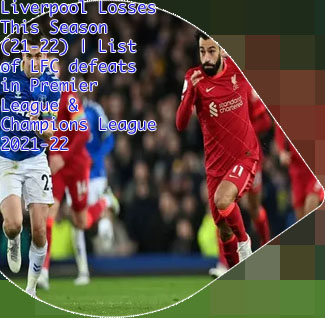
Liverpool's recent results have been a topic of discussion among football fans and analysts alike. From unexpected losses to thrilling victories, the team's performance on the pitch has been a rollercoaster ride. To gain a better understanding of Liverpool's results and what may be contributing to their successes or shortcomings, the following three articles offer valuable insights and perspectives.
Analyzing Liverpool's Defensive Woes: A Closer Look at Goals Conceded
Liverpool's recent defensive struggles have been a cause for concern among fans and pundits alike. The team has conceded a significant number of goals in recent matches, leading to dropped points and a slip in the standings. In order to understand the root of these defensive woes, it is important to take a closer look at the goals conceded by the team.
-
Lack of Communication: One of the key issues plaguing Liverpool's defense is a lack of communication between players. This has led to confusion in marking assignments and a failure to track runners effectively.
-
Defensive Shape: Another area of concern for Liverpool is their defensive shape. At times, the team has looked disjointed and disorganized, leaving gaps for opposition attackers to exploit.
-
Individual Errors: Individual mistakes have also played a role in Liverpool's defensive struggles. Poor decision-making and lapses in concentration have cost the team dearly in crucial moments.
-
Set Piece Vulnerability: Liverpool has been particularly vulnerable to conceding goals from set pieces. The team has struggled to defend crosses and corners effectively, leading to easy goals for the opposition.
-
Lack of Leadership: Finally, there appears to be a lack of leadership in Liverpool's defense. Without a commanding presence to organize the backline and rally the troops, the team
The Impact of Key Injuries on Liverpool's Form: A Statistical Analysis
Liverpool Football Club has been facing a challenging season due to a series of key injuries to some of their star players. The absence of key players such as Virgil van Dijk, Joe Gomez, and Diogo Jota has had a significant impact on the team's form.
One of the most notable injuries this season was the ACL injury suffered by Virgil van Dijk in October 2020. Van Dijk, who is widely regarded as one of the best defenders in the world, has been sorely missed at the heart of Liverpool's defense. His absence has left a noticeable gap in the team's backline, leading to a decrease in defensive stability and an increase in goals conceded.
In addition to Van Dijk, injuries to Joe Gomez and Diogo Jota have also taken their toll on the team. Gomez's absence has left Liverpool short of options in defense, forcing manager Jurgen Klopp to rely on makeshift center-back pairings. Jota's injury, on the other hand, has deprived Liverpool of a valuable attacking outlet, with the Portuguese forward having made a strong start to his Liverpool career before getting injured.
Despite these setbacks, Liverpool has shown resilience and determination to stay in the race for a top-four finish in the Premier League. However, it is
Tactical Changes That Could Improve Liverpool's Attack: Lessons from Past Seasons
In the world of football, tactics play a crucial role in a team's success. For Liverpool, one of the key areas that could be improved is their attack. By analyzing past seasons, we can identify tactical changes that could potentially enhance Liverpool's attacking prowess.
One crucial lesson from past seasons is the importance of versatility in attack. Liverpool has been heavily reliant on their front three of Mohamed Salah, Sadio Mane, and Roberto Firmino. While this trio has been highly effective, there have been instances where opponents have been able to stifle their threat by focusing their defensive efforts on these three players. To counter this, Liverpool could benefit from introducing more variety in their attacking play. This could involve utilizing different formations, introducing new attacking combinations, or giving opportunities to other players to contribute more in the final third.
Another tactical change that Liverpool could consider is increasing their speed of play in the attacking third. By moving the ball quickly and making incisive runs, Liverpool can catch opponents off guard and create more goal-scoring opportunities. This could be achieved through improved off-the-ball movement, quicker passing, and better decision-making in the final third.